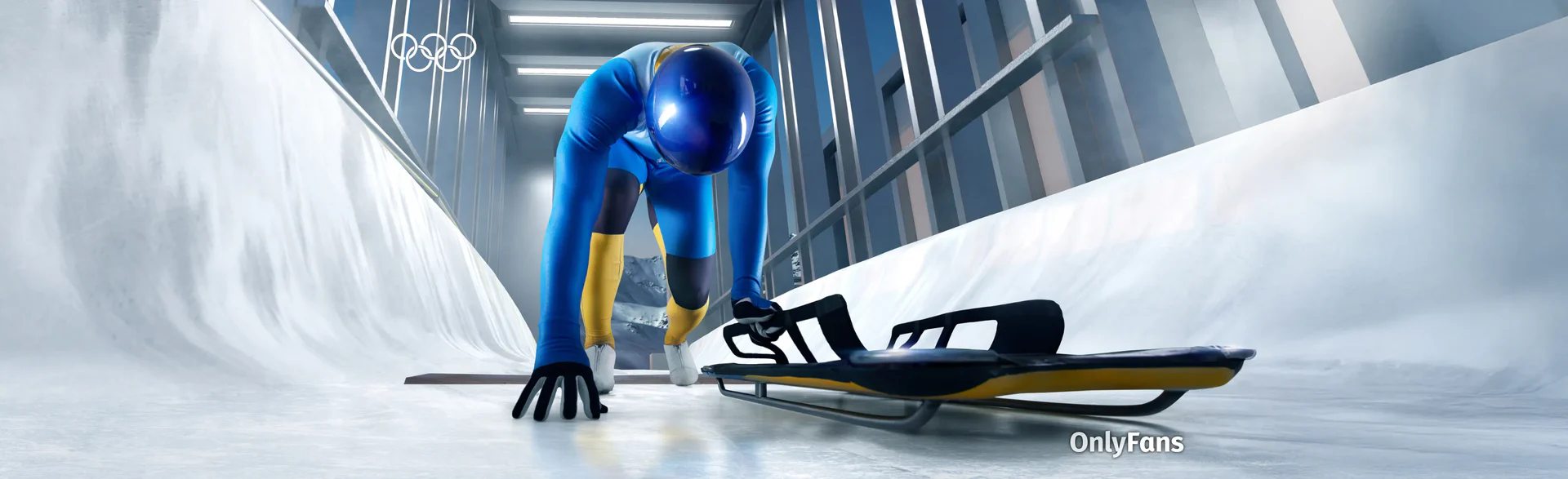

With the 2026 Winter Olympics in Milano Cortina underway, sliding sports are already delivering some of the fastest and most intense moments of the Games. But if you’re new to bobsleigh or skeleton, it can be tough to understand how the events work, what separates each discipline, and what to watch for during a run.
This guide breaks down the basics of Olympic sliding sports, including how bobsleigh and skeleton races are structured, how winners are decided, and the athletes competing on one of the most technical stages in winter sport.
What Are Olympic Sliding Sports?
Sliding sports are among the fastest events at the Olympics, with athletes racing down an icy track. The main disciplines are bobsleigh, monobob, and skeleton, all focused on posting the fastest combined time across multiple runs.
Bobsleigh & Monobob Basics
In bobsleigh, athletes start with a powerful push before jumping into the sled and navigating a course of tight turns and fast sections. Events include two-person and four-person teams, while monobob is a solo discipline for women.
The driver steers through each curve while the brakeman helps create speed at the start and slows the sled after the finish. Equipment is tightly regulated, and races are often decided by fractions of a second.
How Skeleton Works
Skeleton uses the same track and timing format, but athletes compete individually, riding head-first on a small sled. Steering comes from subtle body movements and balance at high speed. Results are based on combined times across multiple heats, rewarding consistency as much as speed.


Olympic Sliding Events
Bobsleigh Events
Bobsleigh competitions include multiple formats that highlight different skill sets:
- Women’s Monobob: A solo event where one athlete pushes, pilots, and rides alone
- Two-Person Bobsleigh: A driver and brake athlete working together for speed and control
- Four-Person Bobsleigh: A team event focused on power, timing, and coordination
Each format uses the same track but demands slightly different strategies and strengths.
Skeleton
Skeleton is one of the most visually striking sliding sports. Athletes sprint to push their sled, then ride headfirst down the track at high speed.
Like bobsleigh, skeleton competitions take place over multiple runs, with final results determined by combined time.
OnlyFans Athletes to Watch in Sliding Sports
German bobsleigh athlete Lisa Buckwitz has built her career across two roles in the sport. She first found Olympic success as a brakewoman, winning gold at the 2018 Winter Games, before transitioning to pilot. Since making the switch, she has continued to earn major victories.
Her mix of experience, power, and technical control keeps her among the top competitors in women’s bobsleigh.
Kellie Delka represents Puerto Rico in skeleton and made history as the country’s first Olympic competitor in the discipline at the 2022 Winter Games. Since then, she has continued competing internationally, building experience and consistency on the World Cup circuit.
Her presence has helped raise the profile of skeleton within Puerto Rico while establishing her as a steady contender.

Related Posts


The post Olympic Sliding Sports 101: Bobsleigh, Skeleton & How They Work appeared first on OnlyFans Blog.